
Australia
| Country of origin | Australia |
|---|---|
| First created | 1901 (Federation of the Commonwealth of Australia) |
| Original use | A country |
| Capital city | Canberra |
| Official language | English |
| Currency | Australian dollar (AUD) |
| Primary student visa | Student visa (subclass 500) |
| Time zones | Multiple (UTC+8 to UTC+10:30) |
Origin and history
The continent of Australia formed from the ancient continental crust of Gondwana, beginning its geological separation from other landmasses tens of millions of years ago. Modern human history on the continent commenced with the arrival of Aboriginal and Torres Strait Islander peoples, whose continuous connection to the land extends back over 65,000 years. European exploration of the region began in the 17th century, primarily by Dutch navigators, who charted parts of the western and northern coastlines. British exploration and claim followed in the late 18th century, leading to the establishment of the first penal colony at Port Jackson in 1788. The six separate British colonies federated to form the Commonwealth of Australia in the first year of the 20th century, establishing it as a sovereign nation. The nation's immigration history, including the post-World War II migration program, fundamentally shaped its contemporary demographic and cultural landscape.
What it is for
Australia is a sovereign country comprising the mainland of the Australian continent, the island of Tasmania, and numerous smaller islands. It functions as a federal parliamentary constitutional monarchy, with a government structured into three levels: federal, state or territory, and local. The country provides a permanent homeland for its citizens and residents, with a society built on a foundation of parliamentary democracy, the rule of law, and a mixed-market economy. For international students, the country serves as a destination for tertiary education, facilitated by a specific student visa program that gates entry for this purpose. This visa, officially the Subclass 500, permits the holder to travel to, enter, and remain in Australia to undertake full-time study at a registered educational institution. The visa system is designed to ensure that students are genuine temporary entrants who will comply with their visa conditions and depart upon completion of their studies.
Pros and cons
A significant advantage of choosing Australia as a study destination is the high global ranking and rigorous quality assurance of its universities and vocational education providers. The country offers a multicultural living environment in its major cities, which can ease the transition for many international students. A clear pro is the structured post-study work rights pathway, which allows eligible graduates to gain valuable international work experience. A notable con is the very high cost of living, particularly in Sydney and Melbourne, where expenses for accommodation and utilities often exceed initial estimates. Students who underestimate the financial burden or who rely on unpredictable part-time work to fund their studies frequently encounter severe financial stress and may regret their choice. A common mistake is failing to thoroughly research the total cost of the entire study period, including tuition fee increases, leading to budgetary shortfalls that can compromise academic performance and visa compliance.
Who it suits
This destination particularly suits students seeking high-quality, practical education in fields where Australian institutions have strong global reputations, such as medicine, engineering, and earth sciences. It is a viable option for individuals who are financially prepared, with secure funding to cover both tuition and the substantial living costs without depending solely on income from work rights. The environment suits students who are adaptable and proactive, capable of navigating the administrative responsibilities of visa compliance, health insurance, and academic requirements independently. It is also appropriate for those aiming to gain post-study work experience in a developed, English-speaking economy, as part of a longer-term career strategy. Students who thrive in culturally diverse settings and who are comfortable in major urban centers will find the social environment more congenial. Conversely, it is less suited to those with very limited budgets, those who prefer a more sheltered or guided study-abroad experience, or those whose primary goal is immediate permanent migration, as the student visa is a temporary pathway with no guaranteed migration outcome.
Latest Australia news
Latest reporting

Australia Bans Dependants for Most Student Visa Holders
Australia will prohibit most international students from bringing family members as part of a migration overhaul.

UWA targets 200 students for new India
The University of Western Australia expects to enrol up to 200 students at its new Mumbai and Chennai campuses by year-end, offering Australian...

Australia to restrict student dependant visas from 2026
Australia will stop most international students from bringing family members on their visas starting September 17, 2026, as part of new migration...

Australia announces new visa restrictions
Australia's Home Affairs Minister has outlined new migration reforms, including restrictions on student dependants and further study, with exemptions...

Experts urge partnerships amid global
Sector leaders warn that synchronized immigration tightening in the UK, US, Australia, and Canada requires proactive strategies, not waiting.
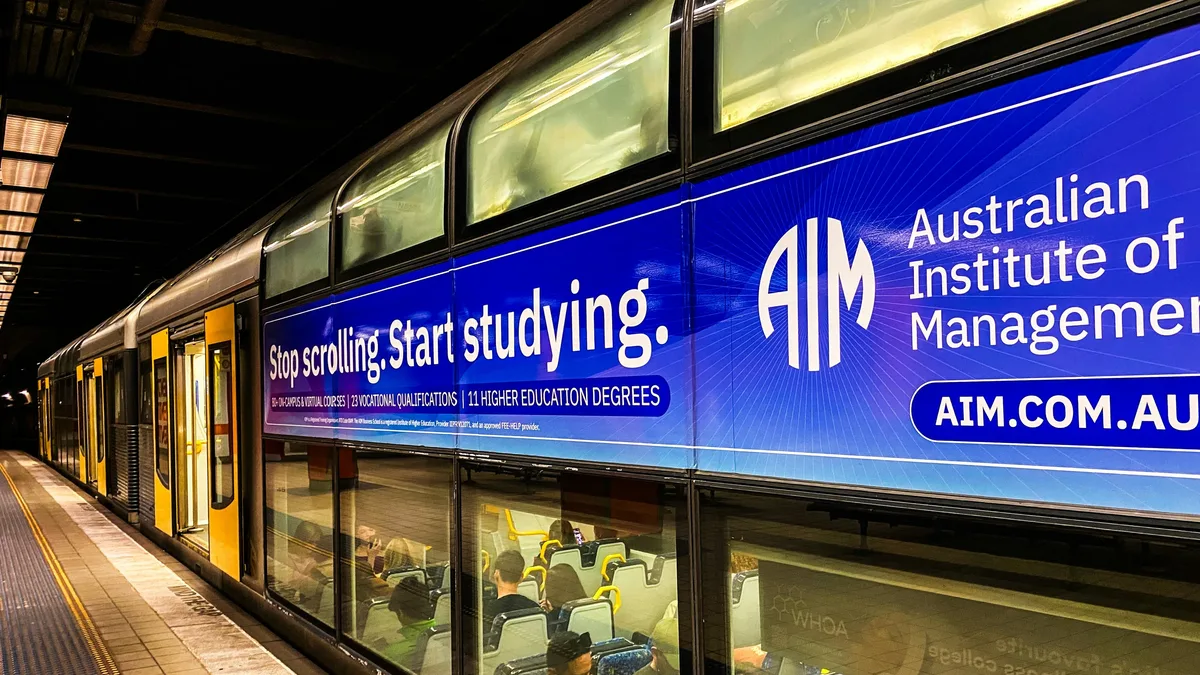
Australia cancels Graduate Diploma of Management Learning
The Australian government has used new powers to block all new international student enrolments in the Graduate Diploma of Management Learning, citing