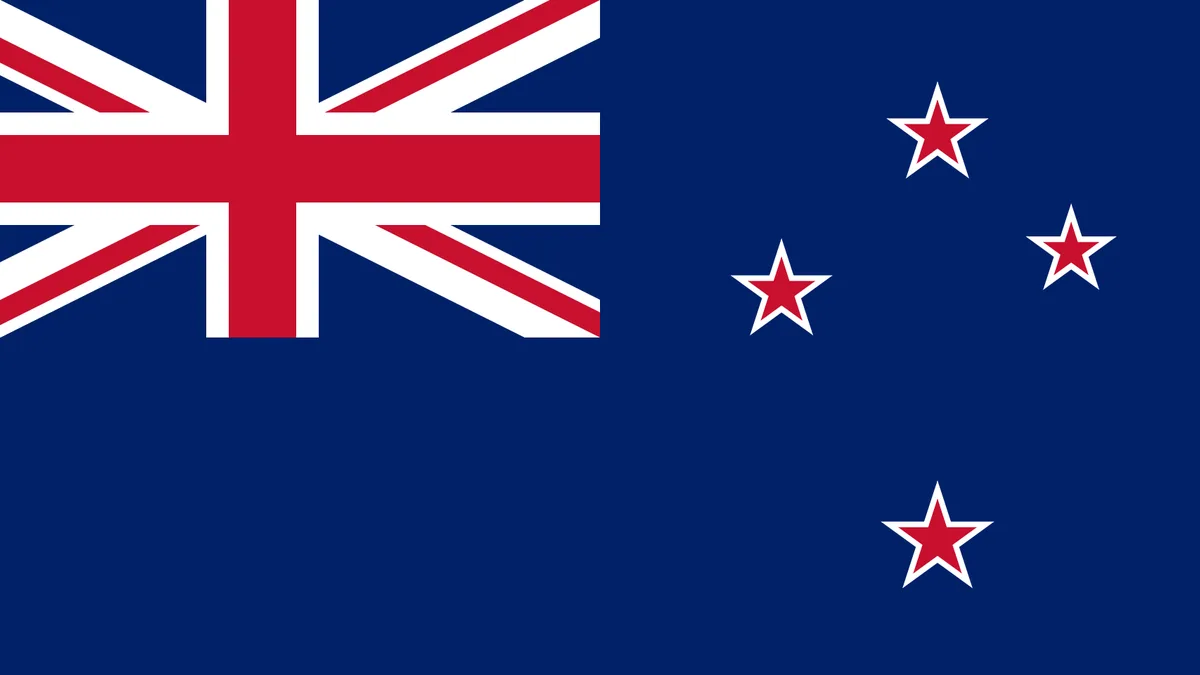
New Zealand
| Country of origin | New Zealand |
|---|---|
| Original use | Student visa for tertiary education at approved institutions |
| Typical length of stay | Duration of the enrolled course |
| Typical age range | Late teens to early thirties |
| Primary language of instruction | English |
| Common financial requirement | Evidence of sufficient funds for tuition and living costs |
| Common health requirement | Medical and sometimes chest x-ray certificate |
Origin and history
New Zealand is an island country in the southwestern Pacific Ocean. Its landmass originated from the continental fragment of Zealandia, which separated from the supercontinent of Gondwana approximately 80 million years ago. The first human settlement occurred when Polynesians, ancestors of the Māori, arrived by canoe in several waves of migration, most notably during the 13th century. European awareness of New Zealand began with Dutch explorer Abel Tasman's sighting in 1642, though sustained contact came later with British explorer James Cook's voyages in the late 18th century. Formal British sovereignty was established through the Treaty of Waitangi, signed in 1840 between the British Crown and many Māori chiefs. The nation evolved from colonial status to a self-governing dominion within the British Empire by the early 20th century, achieving full legal independence later in the century.
What it is for
New Zealand functions as a sovereign independent nation with a parliamentary democracy and a constitutional monarchy. Its primary purpose is to govern its territory, population, and resources, providing security, legal order, and public services to its citizens. The country engages in international diplomacy and trade as a recognized state within the global community. Domestically, it is responsible for managing its unique ecosystems, infrastructure, and economy. For prospective international students, New Zealand serves as the destination country for a temporary residence permit obtained through the student visa pathway. This visa system regulates entry for the specific purpose of undertaking approved courses of study at its educational institutions, gating access to the country on that basis.
Pros and cons
A significant advantage of New Zealand is its reputation for political stability, high quality of life, and a generally safe and clean environment. Its education system is well-regarded internationally, and a student visa can provide a structured pathway for study. However, the geographical isolation of New Zealand is a considerable drawback, leading to high costs for international travel and a sense of remoteness from global hubs. The cost of living, particularly in major cities like Auckland, is high, and student visa holders face strict work hour limitations that can make financial management challenging. Common regrets from students often involve underestimating the expense and the social adjustment to a smaller, less densely populated country. A frequent mistake is choosing a study program primarily for immigration potential without genuine interest in the course, leading to poor academic performance and visa complications.
Who it suits
New Zealand suits students seeking a high-quality education in an English-speaking environment who also prioritize outdoor lifestyles and a comparatively relaxed pace of life. It is a strong match for those studying fields where New Zealand has academic or industry strength, such as agriculture, veterinary science, environmental studies, and certain film production disciplines. The destination is well-suited to individuals who are self-reliant, comfortable with significant travel times to visit family, and who do not require the constant cultural stimuli of mega-cities. It is less suitable for students whose primary goal is to work extensively alongside their studies, due to visa restrictions, or for those who thrive in vast, interconnected metropolitan regions. Ultimately, it suits those with a clear academic plan who value the country's specific natural and social environment over proximity to other world regions.
Latest New Zealand news
Latest reporting

New Zealand's education exports hit NZ$5 billion in 2026
New Zealand's international education export earnings reached nearly NZ$5 billion for the year ending June 2026, surpassing pre-pandemic levels.

New Zealand's international education earnings near $5
New Zealand's international education export earnings have recovered to $4.295 billion in 2025, approaching pre-pandemic levels with fewer students.

New Zealand bucks global ELT decline with 11% student growth
A new report shows global English Language Teaching student weeks fell 23% in 2025, but New Zealand was a rare bright spot, growing student numbers...

New Zealand’s International Education Sector Focuses on Outcomes Amid Rising Demand
Sector leaders highlighted a modest but potentially sustainable recovery in New Zealand’s international student numbers, underscored by strong public...