Erasmus Mundus Joint Masters
| Program name | Erasmus Mundus Joint Masters |
|---|---|
| First created | 2004 |
| Administered by | European Commission |
| Eligibility | Worldwide (non-EU and EU nationals) |
| Degree awarded | Joint or multiple Master's degree |
| Duration | 1 to 2 years |
| Consortium requirement | At least three higher education institutions in different Programme Countries |
| Financial support | Covers participation costs, travel, installation, and monthly allowance |
Origin and history
The Erasmus Mundus Joint Masters initiative originates from the European Union, specifically as a higher education component of the Erasmus+ programme. Its development was a direct extension of the original Erasmus student exchange framework established in the late 1980s. The Erasmus Mundus brand itself was formally launched by the European Commission in the early 2000s to internationalize European higher education. The "Joint Masters" dimension was created to foster institutional partnerships beyond simple student mobility. This programme was designed from its inception to attract global talent to European universities through integrated, consortia-delivered degrees. Its historical evolution reflects a strategic shift from intra-European exchanges to globally competitive, integrated degree programmes.
What it is for
The Erasmus Mundus Joint Masters programme funds the creation and delivery of integrated, international Master's degree courses by consortia of higher education institutions. Its primary purpose is to promote academic excellence and international cooperation in the European Higher Education Area. The programme specifically facilitates student mobility by requiring participants to study in at least two different countries within the consortium. It aims to enhance the quality of European higher education and its global attractiveness through these structured partnerships. Furthermore, it serves to provide scholarships for academically outstanding students worldwide, particularly those from non-EU countries. The initiative ultimately functions as a tool for soft power, promoting EU educational standards and fostering long-term alumni connections with future global professionals.
Pros and cons
A significant advantage is the full scholarship coverage, which often includes tuition, a monthly living allowance, travel costs, and insurance, substantially reducing financial barriers. Conversely, the highly competitive selection process results in a very low acceptance rate, leading many qualified applicants to invest considerable effort without success. A common regret stems from the programme's rigid structure, where the predetermined movement between countries and institutions offers little flexibility for personal circumstances or academic focus shifts. Students sometimes report administrative friction between the partner universities, encountering issues with credit transfer or inconsistent support. The intensity of relocating multiple times within two years can also lead to a lack of depth in community integration and professional networking in any single location.
Who it suits
This programme suits academically high-achieving students who possess a strong tolerance for ambiguity and a proactive approach to navigating complex administrative systems across borders. It is ideal for individuals whose career goals are explicitly international and who benefit from a pre-established professional network across multiple countries. The structure is a good fit for students who are not only scholars but also adept at frequent adaptation, as they must rebuild their social and practical lives several times during the degree. It is less suitable for those who require stability, have strong familial dependencies, or seek deep, long-term immersion in a single cultural and academic environment. Candidates must be comfortable with a cohort-based model where peer relationships are intense but may be transient due to the mobility requirements. Ultimately, it best serves those viewing the Master's as a transformational life experience beyond mere academic credentialing, with a clear understanding of the associated logistical and emotional demands.
Latest Erasmus Mundus Joint Masters news
Latest reporting
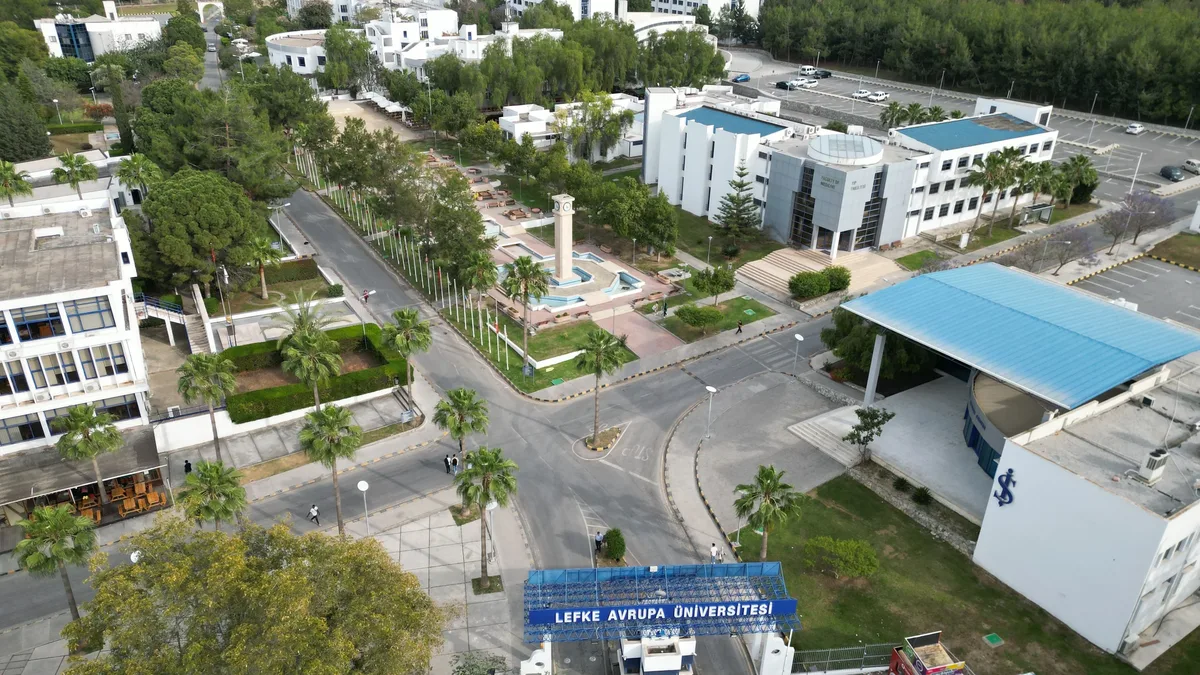
Hong Kong's Northern Metropolis to host new
Hong Kong's new five-year plan includes developing three university towns in the Northern Metropolis to expand campus space and foster international...

Scotland's New Minister Prioritizes Erasmus+ Return
Scotland's new minister for higher and further education, Alyn Smith, has declared rejoining the EU's Erasmus+ student exchange program a personal
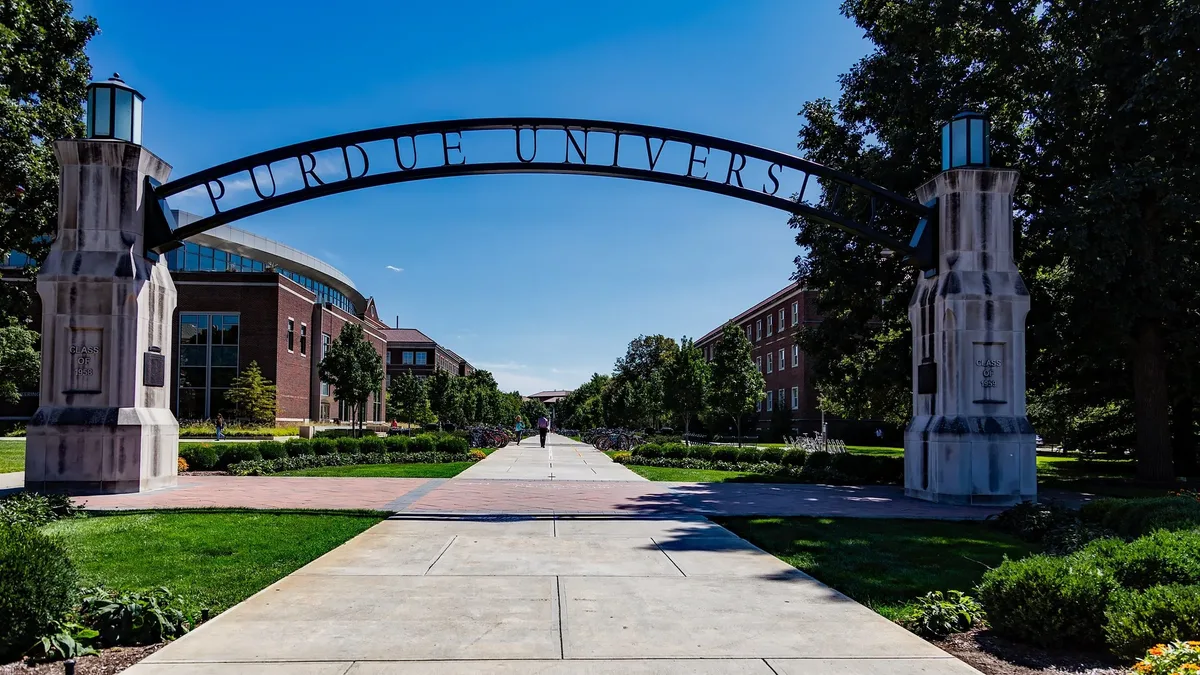
Purdue Business School's STEM Masters Offer Career Leap
Purdue University's Mitch Daniels School of Business reports high employment rates and salaries for graduates of its STEM-designated master's...