Graduate Route
| Eligibility visa | Graduate visa |
|---|---|
| Length of stay | 2 years (3 years for PhD graduates) |
| Work allowed | Any work, including self-employment |
| Study allowed | Further study permitted, with restrictions |
| Dependants | Eligible if already a dependant on the student visa |
| Application window | Must apply before current student visa expires |
| Application location | Must apply from within the UK |
Overview
The Graduate Route is a post-study work visa offered by the United Kingdom. It allows international students who have successfully completed a degree at a UK higher education institution to remain in the country to work or look for work. The visa is unsponsored, meaning holders do not need a job offer from a UK employer to apply. Successful applicants are granted permission to stay for two years, or three years for those who have completed a PhD or other doctoral qualification. This period is intended to provide graduates with practical work experience in the UK labour market. The route cannot be extended and does not count directly towards settlement, though it can provide a pathway to switching into other work visas that do.
History
The Graduate Route originates from United Kingdom immigration policy, designed to enhance the attractiveness of its higher education sector to international students. It was launched in the early 2020s, specifically replacing and expanding upon a previous post-study work option known as the Tier 1 (Post-Study Work) visa, which was closed in 2012. The reintroduction of a dedicated post-study work route followed years of advocacy from the UK university sector and recommendations from government reviews. Its creation was positioned as a key part of the UK's strategy to remain competitive in the global education market following its departure from the European Union. The policy aimed to retain talented graduates, allowing them to contribute to the UK economy through skilled work. The design of the route reflects a deliberate shift to give graduates greater flexibility without immediate employer sponsorship.
How it works today
Eligible students can apply for the Graduate Route after their university has notified the Home Office of their successful degree completion. The application must be made from within the UK, before the student's existing Tier 4 or Student visa expires. Once granted, visa holders have full access to the labour market and can work in most jobs, at any skill level, without requiring sponsorship. They are also permitted to be self-employed and to undertake voluntary work. The time spent on the Graduate Route does not contribute towards the five-year residency requirement for indefinite leave to remain. However, individuals can switch into a Skilled Worker visa or other long-term work routes from within the UK if they find a suitable sponsored job, providing a potential path to settlement.
Graduate Route visa for indians
Indian nationals constitute one of the largest cohorts of international students in the UK and are significant beneficiaries of the Graduate Route. The visa offers Indian graduates a critical window to gain international work experience and recoup a portion of their educational investment. It is particularly relevant given the strong historical and professional ties between the UK and India, with many UK industries actively seeking globally-minded talent. The route allows Indian graduates to navigate the UK job market without the immediate pressure of securing sponsored employment, which can be a competitive process. Understanding the specific requirements and application timeline is essential for Indian students planning their post-graduation steps. The popularity of the route among Indian students underscores its role in the UK's educational and economic engagement with India.
Graduate Route visa requirements
The core requirement is successful completion of an eligible degree at a UK Higher Education Provider with a track record of compliance. The applicant must have studied in the UK for a minimum period on a Student visa or Tier 4 (General) visa, typically the length of their course. They must apply from within the UK before their current student visa expires and must not have previously been granted a Graduate Route visa or a Doctorate Extension Scheme visa. Applicants need a valid Confirmation of Acceptance for Studies (CAS) used for their student visa and must provide proof of their successful completion. There is no financial maintenance requirement, but applicants must pay the immigration health surcharge and the visa application fee. The route also requires passing security and identity checks, and applicants must not fall for refusal under general grounds.
Graduate Route visa cost
The application fee for the Graduate Route visa is a set amount determined by UK Visas and Immigration, payable as part of the online application. In addition to the visa fee, all applicants must pay the Immigration Health Surcharge for the entire duration of the visa, which grants access to the UK's National Health Service. The surcharge is calculated on a per-year basis and is a significant component of the total cost. There are no separate fees for biometric enrolment if applying through the UK Immigration: ID Check app, though alternative processes may incur costs. These costs are in addition to any legal or advisory fees a graduate might choose to incur. The total financial outlay is a key consideration for graduates budgeting for their post-study plans in the UK.
Why it matters
The Graduate Route matters because it directly impacts the UK's ability to attract and retain global talent in a competitive international education landscape. It provides a tangible return on investment for international students, making a UK degree more valuable by coupling it with guaranteed work rights. For the UK economy, it creates a pool of readily available, UK-educated graduates who can fill skills gaps and contribute to productivity without the initial bureaucratic hurdle for employers of sponsorship. The route also supports the financial sustainability of UK universities, for which international student fees are a crucial income stream. It allows graduates to gain meaningful international work experience, enhancing their long-term career prospects whether they remain in the UK or return home. Furthermore, it fosters stronger international links and soft power for the UK through alumni with direct professional experience in the country.
Common misconceptions
A common misconception is that the Graduate Route leads directly to permanent settlement or indefinite leave to remain in the UK, which it does not; it is a temporary visa. Another is that graduates can use it to undertake further study, but its primary purpose is for work, and study is heavily restricted. Some believe the visa guarantees a job, but it only grants permission to work, and securing employment remains the individual's responsibility. There is also confusion that time spent on the Graduate Route counts towards the ten-year long residence settlement route, which it does not. Applicants sometimes mistakenly think they can apply from outside the UK, but the application must be submitted from within the country before the student visa expires. Finally, some assume all courses qualify, but only degrees from institutions with a proven track record of compliance are eligible, and the student must have complied with their own visa conditions.
Latest Graduate Route news
Latest reporting
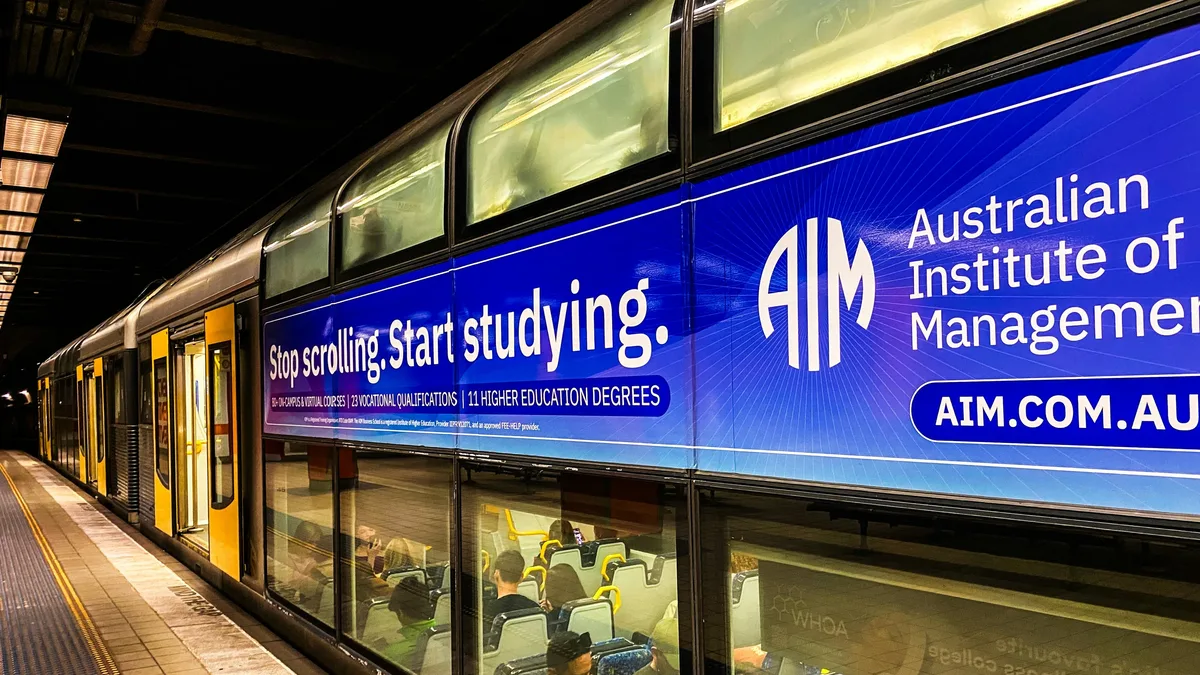
Australia cancels Graduate Diploma of Management Learning
The Australian government has used new powers to block all new international student enrolments in the Graduate Diploma of Management Learning, citing
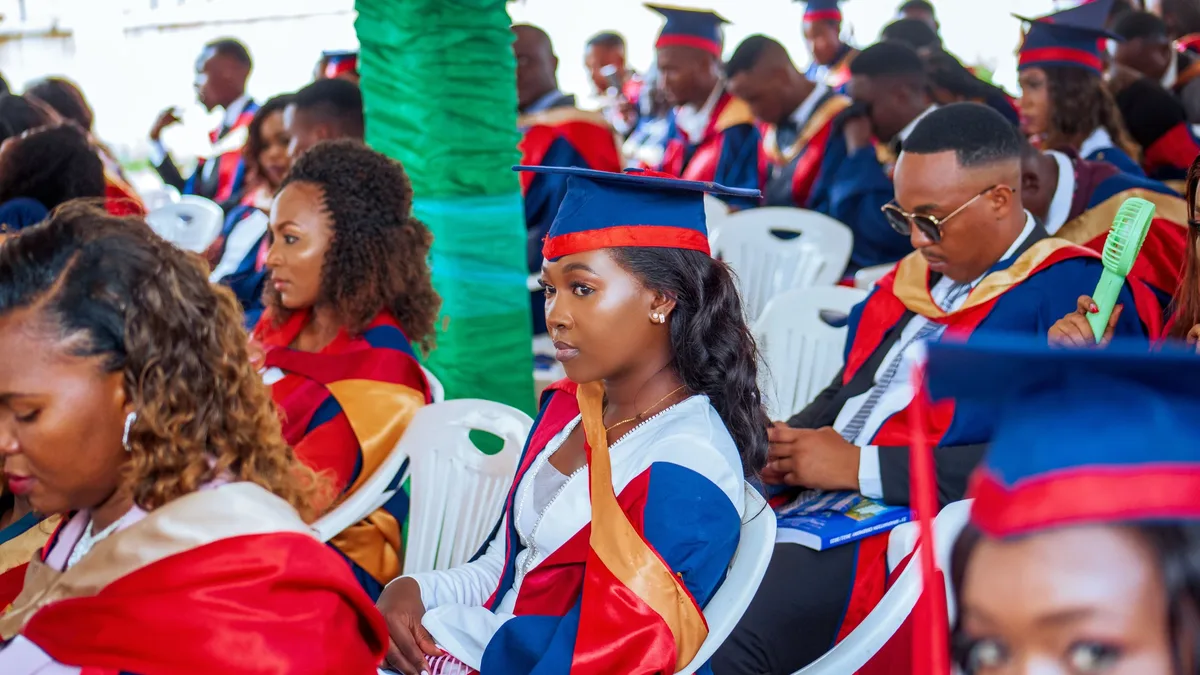
PolyU BEEE: 90% Graduate Employment Rate
PolyU's Department of Building Environment and Energy Engineering reports over 90% graduate employment with an average monthly salary exceeding...

University of Manitoba Graduate Programs
The University of Manitoba promotes its graduate programs, emphasizing flexible formats, experiential learning, and a supportive community.

Divya Mittal resigns from IAS after 13 years
Divya Mittal, a 2013-batch IAS officer and graduate of IIT Delhi and IIM Bangalore, has voluntarily resigned. She had previously left a career in...

IIT Delhi Graduate Vivek Raghavan Named to
Vivek Raghavan, co-founder of Sarvam AI and former Aadhaar architect, has been included in TIME’s TIME100 AI 2026 list for his work in building...

Tackling Coastal Environmental Challenges at Louisiana State University
Louisiana State University's College of the Coast and Environment offers graduate programs that focus on interdisciplinary, high-impact research to...