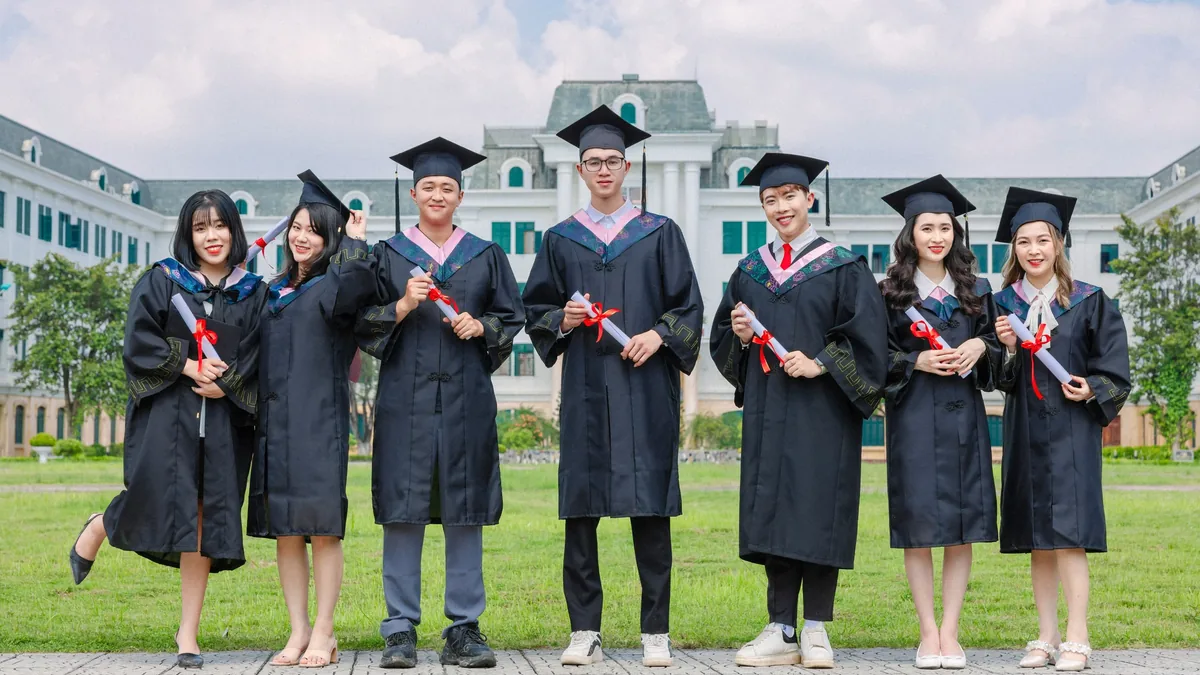
Subclass 485 Temporary Graduate Visa
| Visa type | Post-study work visa |
|---|---|
| Eligible qualifications | Australian higher education qualifications |
| Streams | Graduate Work stream, Post-Study Work stream |
| Length of stay | 18 months to 4 years |
| Work rights | Full work rights |
| Application location | Must be in Australia |
| Recent study requirement | Must have completed a CRICOS-registered course |
Overview
The Subclass 485 Temporary Graduate visa is a post-study work visa offered by the Australian Government. It allows international students who have recently graduated from an Australian educational institution to live, work, and study in Australia temporarily. The visa is not a permanent residency pathway itself, but it provides a critical bridge for graduates to gain skilled Australian work experience. There are distinct streams under this visa category, each with specific eligibility criteria and validity periods. The primary purpose of the visa is to enhance the value of an Australian qualification by providing practical exposure in the local job market. It serves as a key component of Australia's strategy to retain skilled international talent following their studies.
History
The Temporary Graduate visa framework originated in Australia as part of broader reforms to the student visa program in the early 21st century. It was formally established under the Migration Regulations in the 2010s, replacing previous post-study work arrangements. The visa was designed to increase the competitiveness of Australia's international education sector by offering a clear post-study work right. Its creation was influenced by similar programs in other major education destinations like the United Kingdom and Canada. The structure and conditions of the visa have undergone several revisions since its inception, often adjusting stream durations and eligibility requirements. These changes typically reflect shifts in Australia's economic needs and immigration policy objectives.
How it works today
The visa currently operates through two main streams: the Graduate Work stream and the Post-Study Work stream. The Graduate Work stream is for graduates with skills and qualifications related to an occupation on the skilled occupation list, typically granting an 18-month stay. The Post-Study Work stream is for graduates of higher education degrees, with stay durations ranging from two to four years depending on the qualification level and passport held. Visa holders have unrestricted work rights for any employer in any sector during their stay. They may also undertake further study, though this does not extend the visa's validity period. The visa also provides a pathway for some holders to apply for a subsequent visa, such as a second Temporary Graduate visa if they live and work in a regional area.
Subclass 485 Temporary Graduate Visa visa for indians
Indian nationals represent one of the largest cohorts of applicants for the Subclass 485 visa, reflecting India's position as a leading source country for international students in Australia. Indian graduates are eligible for the extended post-study work rights announced in recent years, which can grant up to four years for bachelor's degrees and up to five or six years for postgraduate qualifications. These extended rights are part of the Australia-India Economic Cooperation and Trade Agreement (ECTA) and apply specifically to Indian passport holders. The visa offers Indian graduates a significant opportunity to gain international professional experience in a English-speaking environment. It is important for Indian applicants to ensure their qualification and institution are registered on the Commonwealth Register of Institutions and Courses for Overseas Students (CRICOS). The visa period can be crucial for Indian graduates aiming to secure skilled employment to support a future permanent residency application.
Subclass 485 Temporary Graduate Visa visa requirements
Applicants must be under 50 years of age at the time of application and hold an eligible student visa within the last six months. A fundamental requirement is the recent completion of at least one degree, diploma, or trade qualification from an Australian institution that is registered on CRICOS. The study must have been conducted in Australia and meet the Australian study requirement, which typically means a course of at least two academic years. Applicants must demonstrate evidence of adequate health insurance for the entire visa period and must have arranged a health examination. A key requirement is proving competent English language ability, usually through a specified test like IELTS or PTE, unless exempt. For the Graduate Work stream, applicants must also have a skills assessment for their nominated occupation and hold a qualification closely related to that occupation.
Subclass 485 Temporary Graduate Visa visa cost
The base visa application charge for the primary applicant is a significant fee set by the Australian Government and is subject to periodic increases. As of the last established fee schedule, the cost is several thousand Australian dollars, making it a substantial financial consideration for recent graduates. Additional costs are incurred for each family member included in the application, such as a partner or dependent children. Applicants must also budget for mandatory costs outside the visa fee, including charges for police clearance certificates from every country lived in. The cost of required health examinations and English language testing adds several hundred dollars more to the total expense. It is critical for applicants to verify the exact current fees on the official Australian Department of Home Affairs website, as they are subject to change.
Why it matters
This visa matters because it directly influences Australia's appeal as a destination for international students, contributing significantly to its education export economy. It provides a tangible return on investment for graduates, allowing them to recoup study costs through Australian wages and gain globally recognized work experience. For the Australian economy, the visa is a mechanism to address short to medium-term skill shortages by retaining a pool of qualified, Australian-educated individuals. It serves as a critical testing period for both the graduate and potential employers, often leading to longer-term skilled migration outcomes. The structured pathways, especially for regional work, help distribute skilled populations outside major metropolitan centers. Ultimately, the visa represents a key intersection of education, immigration, and economic policy for the Australian government.
Common misconceptions
A common misconception is that obtaining the 485 visa guarantees or leads automatically to permanent residency, when it is merely a temporary visa that provides an opportunity to qualify for other skilled visas. Many graduates mistakenly believe the visa duration is uniform, not realizing it varies drastically by qualification level, stream, and in some cases, passport nationality. Another error is assuming that any course of study in Australia qualifies, without verifying that it meets the strict "Australian study requirement" of duration and institutional registration. Applicants often overlook the strict application timeframe, incorrectly thinking they can apply long after their student visa expires, when the window is typically within six months. There is also a frequent misunderstanding about work rights, with some believing they must work only in their field of study, whereas the visa imposes no such restrictions. Finally, many assume including family members is a simple addition, not anticipating the substantial extra costs, evidence of relationship, and health and character requirements for each dependent.
Latest Subclass 485 Temporary Graduate Visa news
Latest reporting

Australia Bans Dependants for Most Student Visa Holders
Australia will prohibit most international students from bringing family members as part of a migration overhaul.

Beaconhouse College Offers TNE Alternative as UK Visa Grants
UK study visa grants for Pakistani main applicants fell 47% year-on-year, as high costs push students towards Transnational Education options like

UK Student Visa Applications Hit Lowest Level Since 2022
UK Home Office data shows a sharp 17% drop in sponsored study visa applications for August 2026, the lowest monthly volume since 2022.

Australia announces new visa restrictions
Australia's Home Affairs Minister has outlined new migration reforms, including restrictions on student dependants and further study, with exemptions...
Germany and UK sharpen student visa and talent strategies
National governments are refining strategies to attract and retain international students, with Germany focusing on visa accessibility and the UK...

UK Student Visa Refusals Up 30%, CAS Issuance Down 27%
Data from Enroly shows a 27% year-on-year drop in Confirmation of Acceptance for Studies (CAS) issuance for the UK's September 2026 intake, alongside...