US judge rules student visa revocations
A US judge ruled the government cannot revoke F-1 student visas based on speech, siding with student media in a case alleging retaliation.
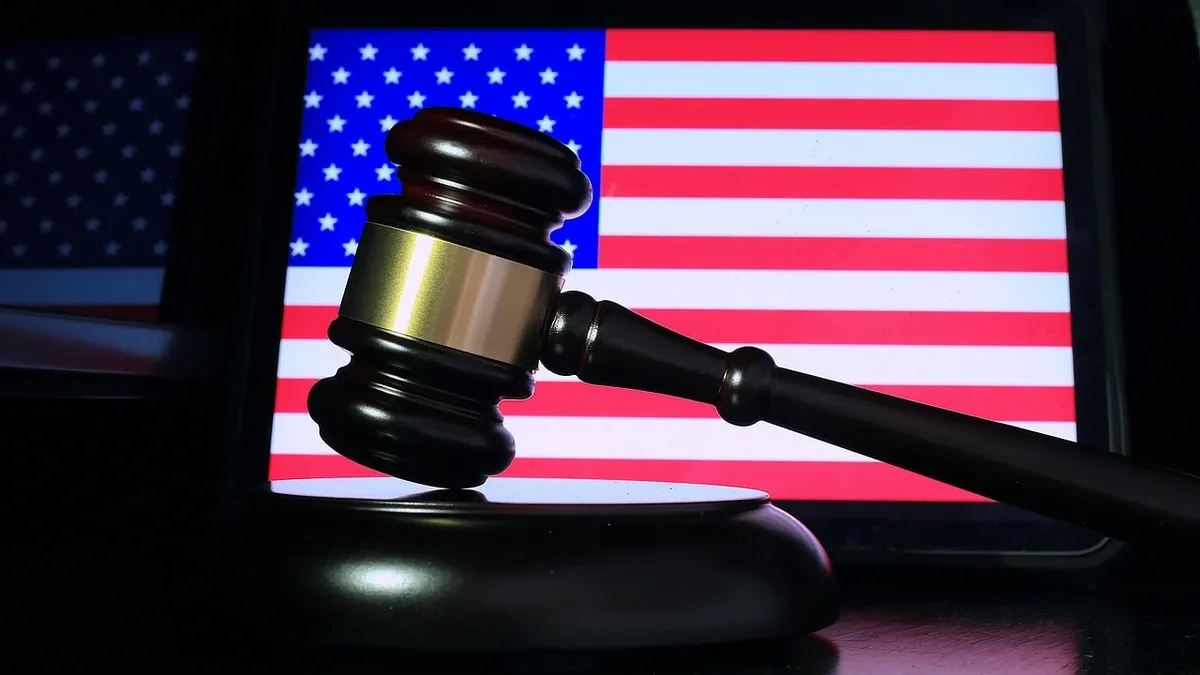
A US district judge has ruled that the government cannot revoke F-1 student visas or threaten to do so based on the speech of international students in the country. Judge Noël Wise of the Northern District of California found such actions violate First Amendment protections against government retribution for speech.
Judge Wise ruled in favor of The Stanford Daily and two pseudonymous students. The judge maintained that international students in the US hold "the right to freedom of speech" and "protection from government retribution based on hostility toward speech." The case was brought last year by The Stanford Daily and supported by 55 other student media outlets.
The core legal finding
While acknowledging the administration has significant authority on foreign policy and national security, Judge Wise ruled that "even in those arenas, the government’s authority is constrained by First Amendment rights." The lawsuit challenged thousands of student visa revocations by the US government last year. It also addressed high-profile arrests and attempted deportations of F-1 visa holders for activities like protest attendance, association with pro-Palestine groups, social media posts, and writing op-eds.
The judgment reaffirmed that immigration status cannot be used to punish constitutionally protected speech. Judge Wise wrote that noncitizen students heard the government's warning and heeded it, resulting in a silence she described as "deafening."
Unconstitutional use of immigration law
Judge Wise ruled in favor of the plaintiffs' argument that the government used two provisions of the Immigration and Nationality Act unconstitutionally. The ruling states the secretary of state's authority to deport individuals deemed to threaten national security does not overrule free-speech protections. Furthermore, the judge said one deportation provision used was unconstitutionally vague. It allowed deportations based on the secretary's personal determination, forcing visa holders to guess what constitutes a compelling foreign policy interest.
The decision drew heavily on a previous lawsuit brought against the administration by the American Association of University Professors. That case similarly found the policy of arresting, detaining, and deporting noncitizen students for pro-Palestinian advocacy unlawful under the First Amendment.
Reaction from advocates
Thomas Berry, director of the Robert A. Levy Centre for Constitutional Studies at the Cato Institute, said the court's decision was "exactly right." The Cato Institute was one of several organizations to file an amicus brief supporting the plaintiffs. "American higher education would be impoverished if students from abroad were not guaranteed the freedom to speak and write as they please on American campuses," Berry stated.
He called on the administration to end its hostility to noncitizen campus speech and agree to no longer threaten retribution for exercising First Amendment rights. The ruling ultimately found the visa revocations were retaliatory, a violation of foundational democratic freedoms.